
2025
Bryan Stevenson
Society’s responses to crime through cruel and unusual punishments.
Bryan Stevenson was lauded by the jury for his work in reducing the use of cruel and unusual punishment in the United States. As founder and Executive Director of the Equal Justice Initiative (EJI), he has applied findings from criminological research to successfully advocate for the banning of executions and life sentences for young offenders.Bryan Stevenson
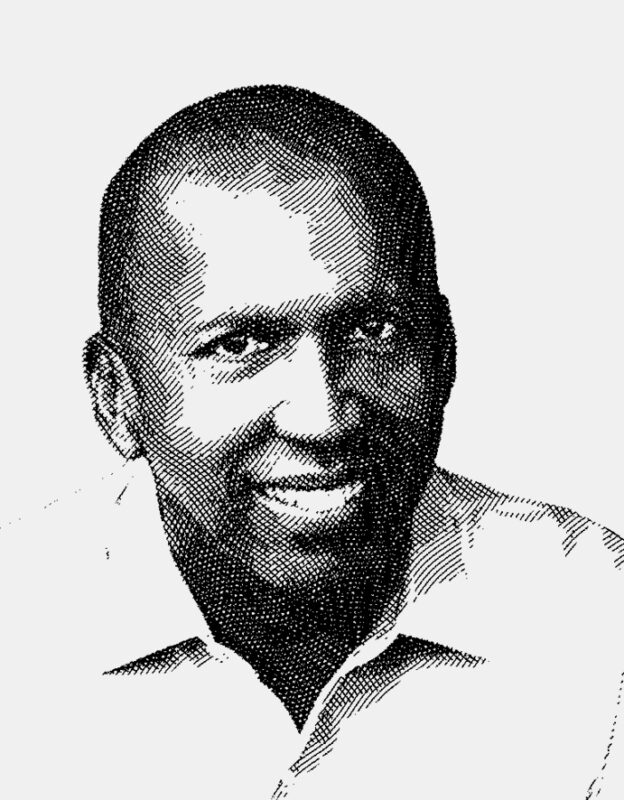
Born 1959 in the US. Bryan Stevenson was professor at New York University Law School (United States) at the time of the award.

Used criminology to show that there is no benefit to a state killing its citizens – even those who have themselves killed other citizens.Used criminology to show that there is no benefit to a state killing its citizens – even those who have themselves killed other citizens.
From lynchings and mass incarceration
Bryan Stevenson was awarded the 2025 Stockholm Prize in Criminology for his work in opposing the use of death and life sentences without the possibility of parole, and defending the fundamental rights of young offenders and marginalised groups in the American legal system.
Stevenson has been outstanding in demonstrating the contribution of criminology to benefit humankind through his work in policy advocacy and concrete support to individuals.
Practical use of research findings
Through the application of the results of criminological research in his professional role, Stevenson has succeeded in reducing the incidence of cruel punishment. His work, which is focused on both policy decisions and individual cases, has been successful in banning the USA’s life sentences without the possibility of parole for young offenders. As the founder of the only source of legal aid for death row inmates in Alabama, Stevenson’s advocacy has prevented many executions of adults and life sentences for juveniles.
Representing petitioners before the US Supreme Court, he has also succeeded in banning executions for young offenders.
As founder of the Equal Justice Initiative, an American legal aid organisation, he has led it since 1989 in saving 130 death row inmates from execution. In his most notable case (mentioned above), representing a convicted murderer who was 14 years old when the crime was committed, Stevenson persuaded the US Supreme Court to rule that life imprisonment without parole for juvenile crimes was a violation of the Constitution.
The history of slavery is repeated
Stevenson has also taken the initiative to create the National Memorial for Peace and Justice in Montgomery, honouring the names of over 4,000 African Americans lynched in twelve Southern states between 1877 and 1950. He believes that the history of slavery and lynchings have affected the subsequent high rates of the death penalty in U.S. South, where the punishment has often been applied to minorities disproportionately. The Legacy Museum: From Enslavement to Mass Incarceration, also shows how the lynchings of black people, which increased in the post-reconstruction period after the American Civil War, is related to today’s high rates of detention and executions of black people in the United States.